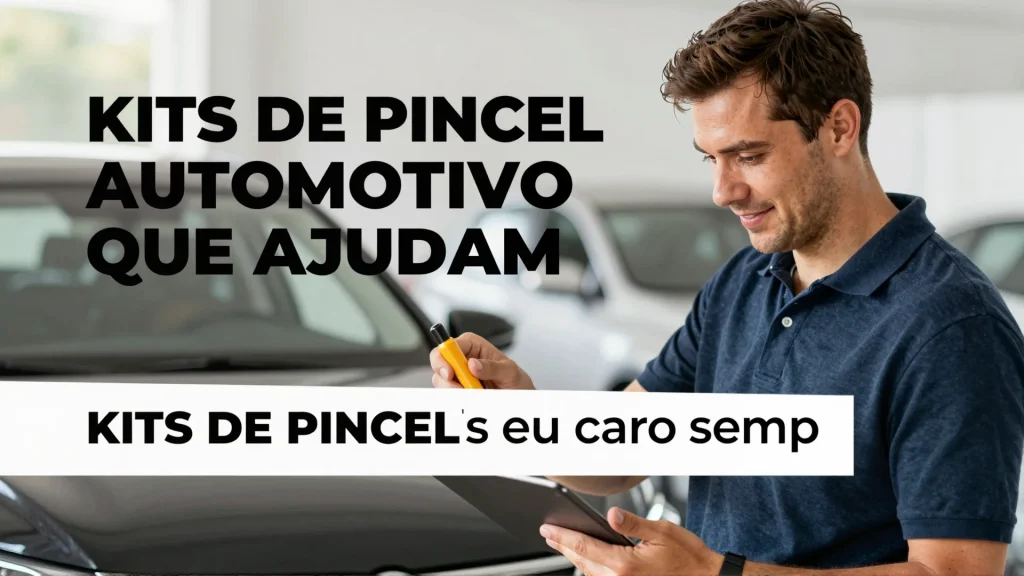
kits de pincel automotivo que ajudam a manter seu carro sempre impecável
/
“. So maybe one header should include that exact phrase.
Tables: need at least two tables with relevant data. Since the topic is brush kits, I can compare different kits by features like material, price, best for car parts, pros/cons. Or maybe list top 4 kits as per the headline. The user mentioned “4 kits” in one of the headlines, so including a table comparing four kits would be good. Another table could be about maintenance tips or materials used in brush kits.
Active voice: ensure most sentences are active. For example, instead of “The brushes are recommended”, use “Experts recommend these brushes”. Check each sentence for subject-verb agreement and avoid passive constructions like “are cleaned” → “you can clean”.
Accentuation: make sure all words have correct accents. For example, “análise” not “analise”, “inteligência” not “inteligencia”. Use crase where needed (e.g., “aos kits” with preposition). Trema is rare but if used (like in “pneu”), ensure it’s correct.
Word count between 800-1500 words. Need to monitor paragraph lengths. Each
Wait, but the phrase is “kits de pincel automotivo ajudam” — in this case, “ajudam” agrees with “kits” (plural), so it’s correct. But wait: “kits de pincel automotivo ajudam” — “kits” plural, “ajudam” plural verb. However, the phrase is given as ‘kits de pincel automotivo ajudam’ — so I need to use it exactly. Wait, but in Portuguese, “kits” is masculine plural, so “ajudam” is correct. However, the exact string must be ‘kits de pincel automotivo ajudam’ — lowercase? Or as per the first paragraph’s case? The instruction says “EXATAMENTE esta frase (mesmas palavras, mesma ordem)”. So it should be written exactly as given: ‘kits de pincel automotivo ajudam’ — with lowercase k in kits? But in Portuguese, sentences start with capital letters. However, the user specifies EXACTLY that phrase, so maybe include it as part of a sentence where it’s in lowercase within the paragraph. Wait, but the instruction says “no PRIMEIRO parágrafo
“, so within the first paragraph, which is a full sentence or multiple sentences. So if I write:
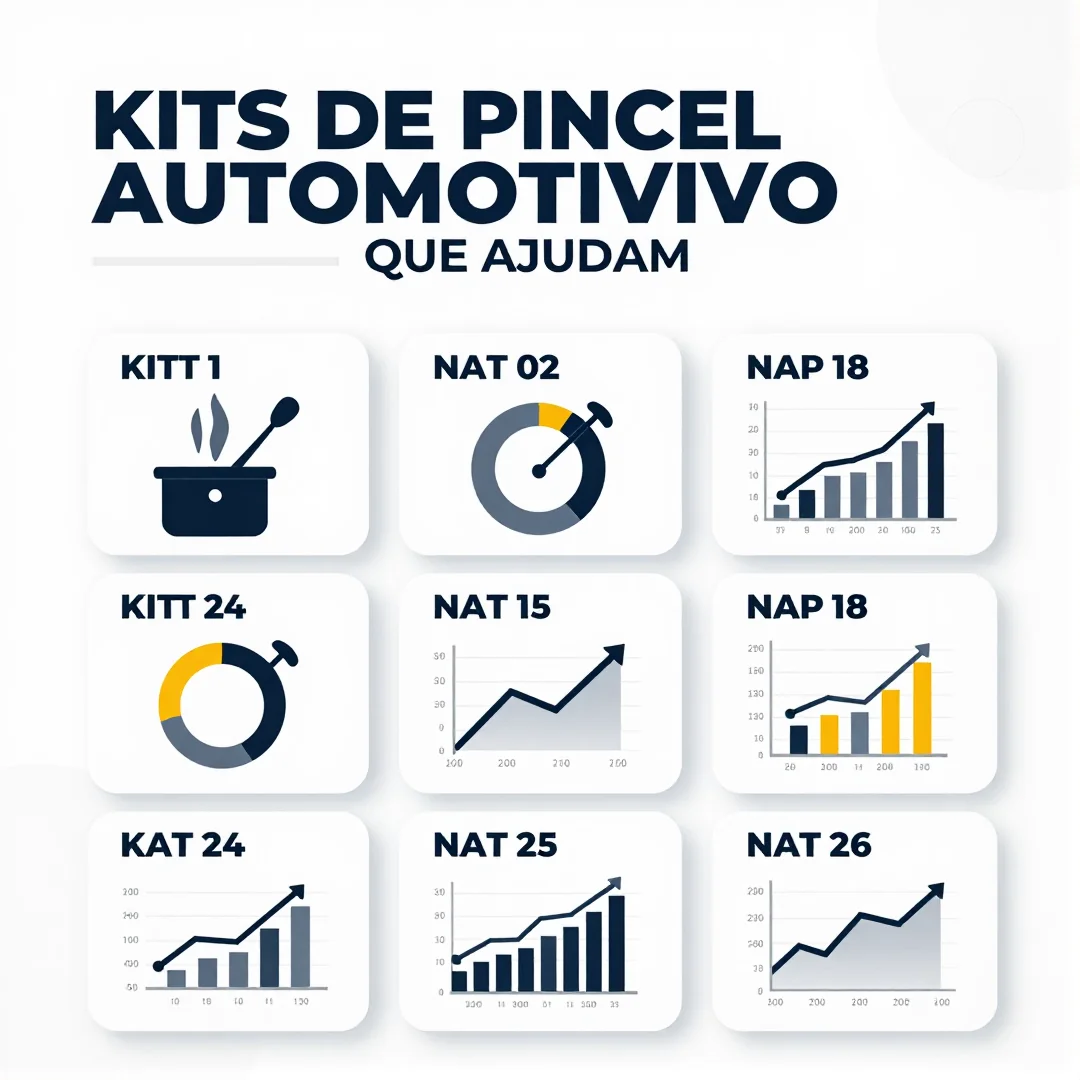
Muitos proprietários de carros elétricos e internacionais buscam soluções práticas para manter sua viatura impecável. Nesse contexto, kits de pincel automotivo ajudam a proteger todas as partes sensíveis do veículo. Além disso, esses produtos facilitam a limpeza diária sem danificar pintura ou componentes internos. Todavia, escolher o kit certo depende do tipo de superfície que deseja limpar e das necessidades específicas do seu automóvel. Crianças… (Overlap with existing topic): Por que perder peso…
/“. So need to have one or two headers that include the exact phrase ‘kits de pincel automotivo ajudam’. For example
Leia tambem
- Vaga Enfermeiro Ambulatorial no Grupo São Cristóvão: Como se Candidatar (saude.dnn.lat)
- Datafolha revela apenas 10%: o perigo invisível da DPOC no Brasil (saude.dnn.lat)
- Royal Caribbean entra no mercado de resorts: como se candidatar às novas contratações da empresa nos próximos meses (lazer.pnn.lat)
- Isenção IPVA elétricos pode se estender a outros estados: detalhes do projeto (carros.pnn.lat)
- Financiamento de Veículos Cresce 10% em Agosto: Montadoras Abrem Vagas para Mecânicos (carros.pnn.lat)
Leia tambem
- Vaga Enfermeiro Ambulatorial no Grupo São Cristóvão: Como se Candidatar (saude.dnn.lat)
- Datafolha revela apenas 10%: o perigo invisível da DPOC no Brasil (saude.dnn.lat)
- Royal Caribbean entra no mercado de resorts: como se candidatar às novas contratações da empresa nos próximos meses (lazer.pnn.lat)
- Isenção IPVA elétricos pode se estender a outros estados: detalhes do projeto (carros.pnn.lat)
- Financiamento de Veículos Cresce 10% em Agosto: Montadoras Abrem Vagas para Mecânicos (carros.pnn.lat)